Āyurveda
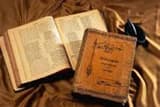
A review Of jāṅgama dravyas (animal products) in the commentary of Siddhabheṣajamaṇimālā
By Asit K. Panja, Dr. Ruprekha Dutta, Dr. Mita Kotecha — Jul 15, 2014
Animals and animal products play an important role in our lives. Every day we use various products, such as milk and milk products, meat, eggs, etc. The whole range is documented in a vast and…
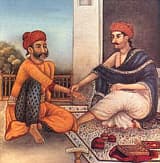
The cosmic evolution
By Srikantha Arunachalam — Jan 15, 2014
This chapter is taken from a book on Āyurveda, written by a wise physician practising in Sri Lanka. It describes in very concrete detail abstract Vedic concepts of Āyurvedic medicine. It also…
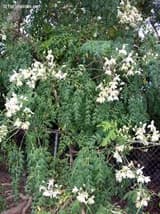
Śigru or drumstick (Moringa pterygosperma, Gaertn., M. oleifera, Lam.)
By K.H. Krishnamurthy — Apr 24, 2013
The Śigru or drumstick tree is native to India. It is one of the most common household plants in South India and like many Indian plants is not only used for food but medicine as well. Here we…

An evaluation of karañjādi taila and guñjā phala lepa in the management of khalitya
By Dharmpal Bhatt, Dr. S.P.S. Jaijania — Jan 15, 2013
Each age of mankind has its own illuminations and discoveries to make. While the cycles of time may move them out of sight for a while, often we return back to these lost truths that had been hastily…
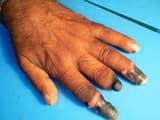
An overview of Buerger’s disease (Thrombo angitis obliterans) in Āyurveda
By Martha Bhaskar Rao, Dr. Hemanth Kumar Kushwaha — Jul 15, 2012
Each age of mankind has its own unique way of understanding and relating with the world around it. Āyurveda belongs to an intuitive age of mankind that precedes the age of rational enlightenment as…